A Cafe Owner's Guide to Smart Bookkeeping
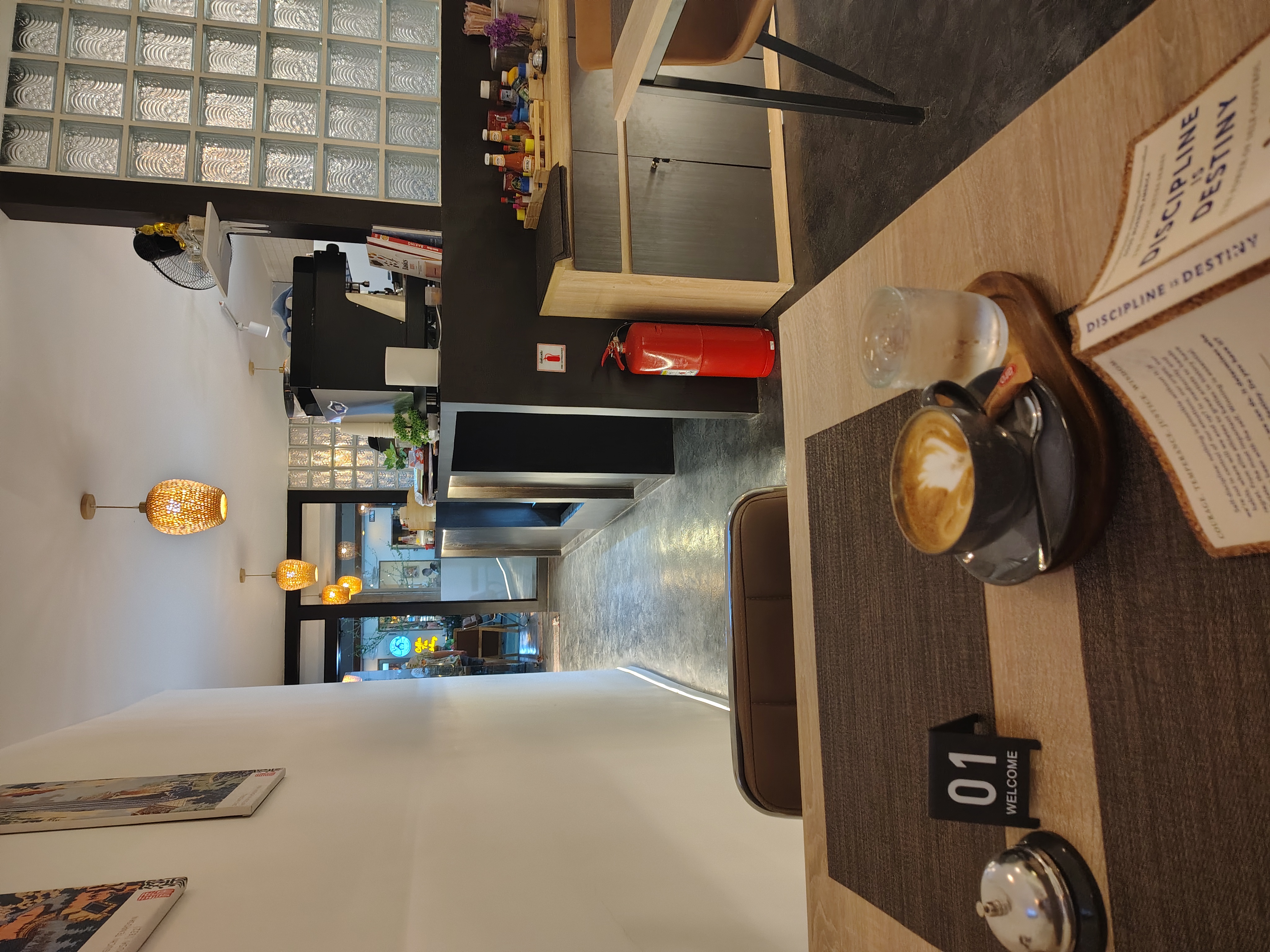
The Secret Ingredient to a Profitable Cafe: Great Bookkeeping
Running a cafe is a fast-paced, high-energy balancing act. Between sourcing the perfect beans, training staff, and delighting customers with a flawless flat white, it’s easy to let the administrative side of the business slide. However, effective bookkeeping for a cafe is not just a compliance task; it's the secret ingredient that tells you whether your hard work is actually paying off. Without a clear view of your numbers, you’re flying blind.
From daily cash flow to quarterly BAS statements, keeping your financial records accurate and up-to-date is crucial for making informed decisions, managing your tax obligations, and ultimately, building a sustainable and profitable business. Let’s explore the key areas you need to master.
Key Aspects of Bookkeeping for a Cafe
The financial pulse of a cafe beats quickly. High transaction volumes, perishable inventory, and complex staff costs create unique bookkeeping challenges. Staying organised is non-negotiable.
Daily & Weekly Financial Habits
Consistency is your best friend when it comes to cafe bookkeeping. Small, regular actions prevent a mountain of paperwork from building up.
Track All Sales: Your Point of Sale (POS) system is the heart of your daily records. Ensure it’s correctly configured to track different types of sales (e.g., GST-free, GST-applicable), payment methods (cash, card), and even items sold. At the end of each day, reconcile your cash and card totals against your POS report.
Record All Expenses: Every coffee bean, milk carton, and cleaning cloth is a business expense. Use a dedicated business bank account or credit card for all purchases to create a clean paper trail. Get into the habit of capturing receipts digitally using an app like Hubdoc or Dext, which can integrate with your accounting software.
Bank Reconciliations: At least once a week, sit down and reconcile your bank accounts. This involves matching the transactions in your accounting software (like Xero or MYOB) with your bank statements. It’s the single best way to catch errors, spot unusual transactions, and maintain an accurate picture of your cash position.
Managing Inventory and Cost of Goods Sold (COGS)
How much does it cost you to make one cup of coffee? Knowing your COGS is essential for setting the right menu prices. Your COGS includes all direct costs of the products you sell: coffee, milk, sugar, syrups, takeaway cups, and food ingredients.
Regular stocktakes—whether weekly or monthly—help you track inventory levels, minimise wastage, and calculate your COGS accurately. When your COGS creeps up, it’s a signal to review your supplier pricing or adjust your menu prices to protect your profit margins.
Handling Payroll and Superannuation with Care
Your team is your greatest asset, but managing payroll is one of the most complex areas of business administration. The hospitality award is notoriously intricate, with different pay rates for evenings, weekends, and public holidays.
Single Touch Payroll (STP): The ATO requires you to report your employees' payroll information—such as salaries, wages, PAYG withholding, and superannuation—each time you pay them through STP-enabled software. This ensures the ATO and your employees have real-time data.
PAYG Withholding: You are responsible for withholding the correct amount of tax from your employees' wages and remitting it to the ATO, usually as part of your BAS.
Superannuation Guarantee: You must pay super contributions for all eligible employees into their nominated fund. These payments must be made at least quarterly, and there are significant penalties for late or incorrect payments.
Getting payroll wrong can lead to unhappy staff and serious penalties from the ATO. It is an area where professional help from a BAS or tax agent can provide immense peace of mind.
GST, BAS, and Your Tax Obligations
If your cafe's annual turnover is over the ATO threshold, you must register for GST. This means you need to charge GST on most sales and can claim GST credits on most business purchases.
The Business Activity Statement (BAS) is how you report and pay this to the ATO. On your BAS, you’ll report:
GST collected on your sales.
GST credits you’re claiming on your expenses.
PAYG withholding from your employee wages.
Lodging your BAS correctly and on time is a fundamental compliance requirement. Tidy bookkeeping throughout the quarter makes this process smooth and straightforward rather than a frantic scramble.
Focus on the Coffee, Not the Chaos
Proper bookkeeping for your cafe gives you the clarity to make smart decisions. It helps you understand your busiest periods, most profitable menu items, and true labour costs, allowing you to build a stronger business.
If you're a cafe owner in the Mandurah area and feel overwhelmed by the numbers, you don't have to do it alone. Outsourcing your bookkeeping frees you up to focus on what you love—creating a fantastic experience for your customers.
Want to ensure your cafe's finances are as strong as your espresso? Contact The Priory Books and Tax today. We’re registered BAS and Tax Agents who specialise in helping small businesses thrive. Let us handle the books so you can handle the beans.